




The Benefits Of Traditional Toys
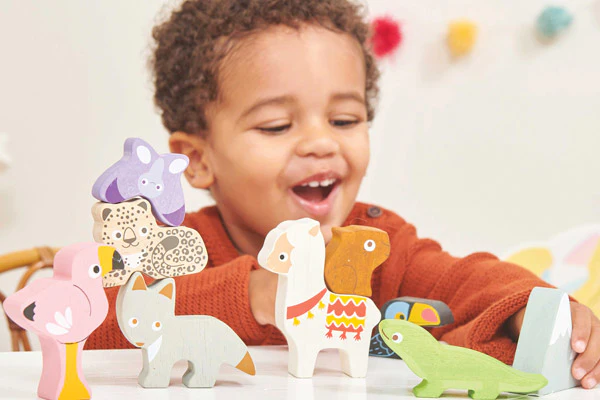
A traditional toy is typically thought of as non-electronic, made from materials such as wood or other types of natural fibres, and often handmade. Examples of popular types of traditional style toys include dolls houses, play kitchens or work-stations shops, garages, cars, trains, shopping carts and more. This type of toy has long been popular with children right across the globe. In recent years however, the rapid growth in the production of electronic toys and devices, has in some households, meant that traditional toys have been somewhat side-lined.
Whilst such toys and gadgets arguably boast their own merits, a growing number of parents and care providers are becoming increasingly aware of the numerous benefits offered by traditional toys, and as such, seek to ensure that their children have the right tools to be able to engage in productive play which supports their psychological and physiological developmental needs.
Is Play Important for a Child's Development
Play is an essential part of child development, something which is universally shared by all children, regardless of their cultural, social, and economic background. It helps towards the development of cognitive and motor skills, as well as helping to socialise and support emotional wellbeing.
The Benefits of Traditional Toys
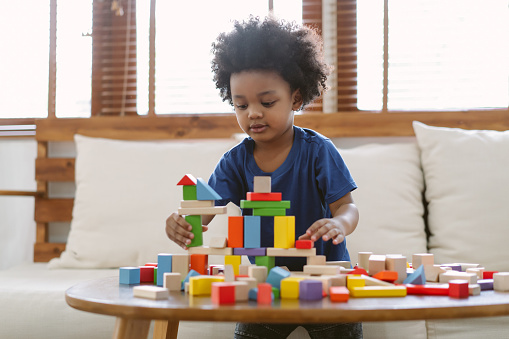
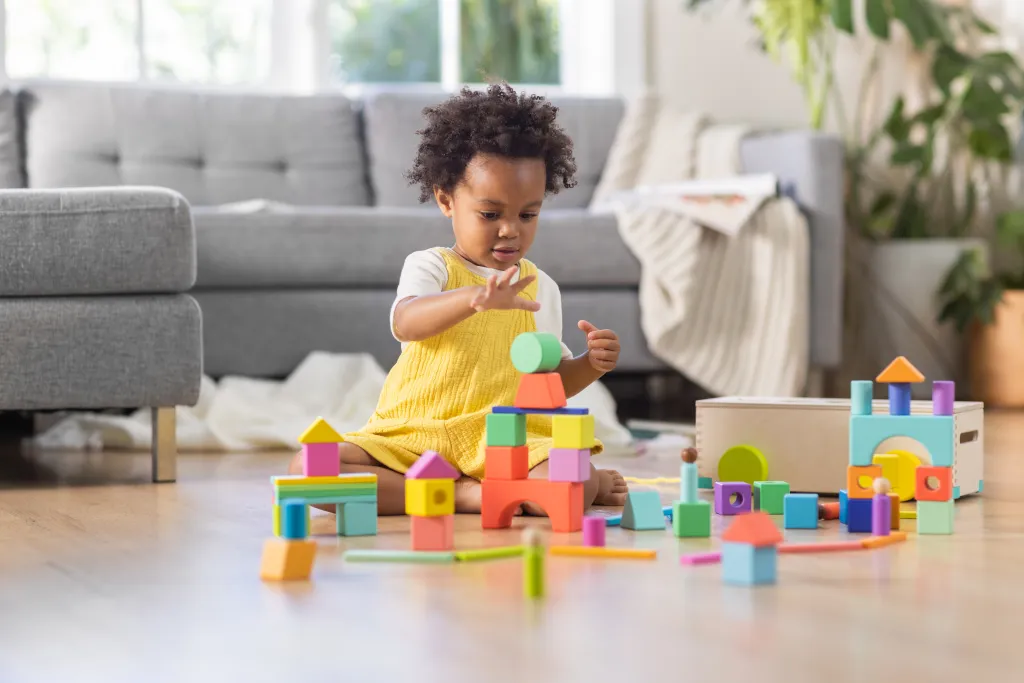
Traditional toys offer an opportunity to stimulate cognitive development. Many involve some type of constructive play which support and reinforce numeracy and or, literacy skills for example, wooden building blocks via number, letter and shape recognition which enhances counting and vocabulary building.
Creative Thinking
The use of traditional toys also prompts greater creative thinking and free play where children use toys and other additional props to create imaginative scenes. A toy such as the doll’s house, for example, lends itself to a wide range of possible play scenarios engaging vivid use of the child’s imagination with the capacity to offer a soothing and mindful activity.